
Any Question
+91 98429 55402
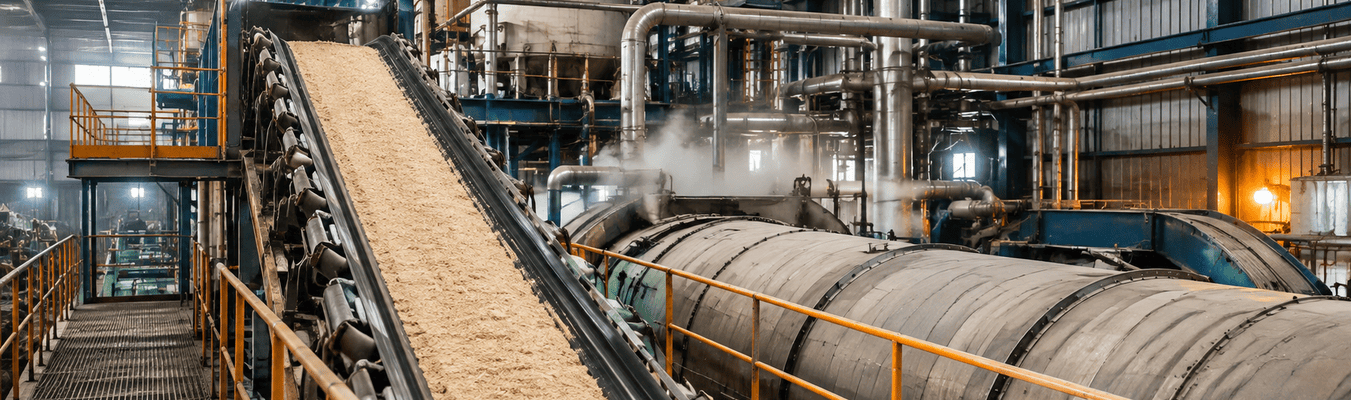
Sugar mills generate two of the most potent biogas feedstocks in the agro-processing sector: press mud and molasses-based effluent. M.M.BIO POWER designs dedicated anaerobic digestion systems to harness the enormous energy potential locked in these wastes, providing sugar mills with substantial on-site renewable energy while solving their most challenging effluent disposal problems.
Our systems are designed to co-digest press mud and molasses-based spent wash in high-rate continuous stirred tank reactors (CSTR). The extremely high COD and BOD of the molasses effluent is broken down efficiently by thermophilic bacterial cultures, yielding large volumes of methane-rich biogas ideal for direct combustion in boilers.
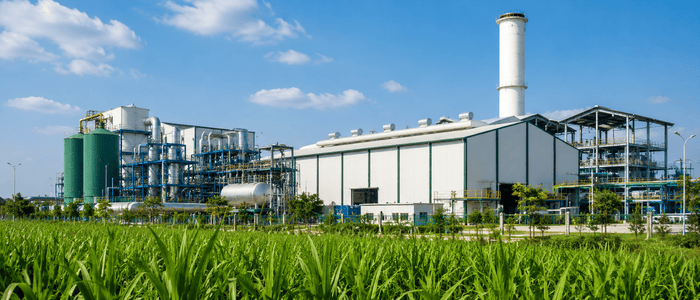
For sugar mills that operate energy-intensive boilers and face severe pressure from pollution control boards over molasses effluent disposal, a biogas plant is both an economic and regulatory necessity.