
Any Question
+91 98429 55402
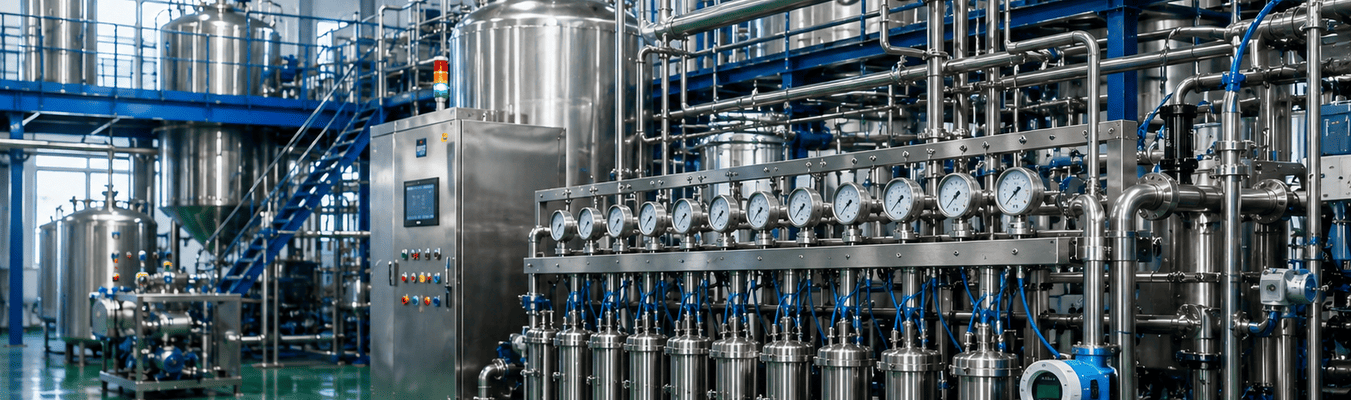
Starch processing — from cassava, potato, corn, and wheat — generates large quantities of highly concentrated wastewater rich in starch residues, sugars, and proteins. M.M.BIO POWER designs specialized biogas plants that efficiently digest this high-strength effluent, converting a costly waste management problem into a steady supply of clean, renewable energy.
Our reactors are optimized for the rapid biodegradability of starch-based waste. The starchy effluent is fed into high-efficiency anaerobic digesters where specialized microbial consortia break down the carbohydrates and proteins, producing methane-rich biogas while dramatically reducing the pollutant load before final discharge.
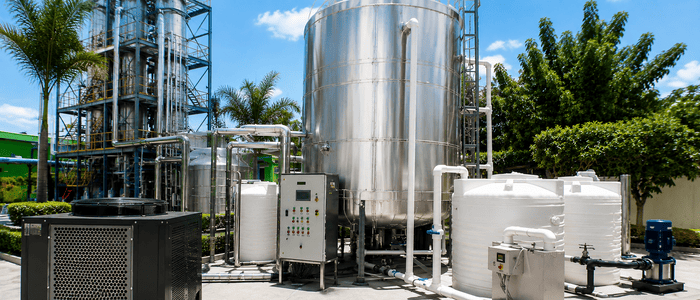
For starch mills that operate large boilers and dryers, biogas from their own wastewater represents a significant internal energy source that directly offsets fuel costs and improves overall plant profitability.